<?xml version="1.0" encoding="UTF-8"?>
<feed xmlns="http://www.w3.org/2005/Atom">
  <title type="text">Hill District Digital History</title>
  <updated>2026-04-25T16:32:23+00:00</updated>
  <generator uri="http://framework.zend.com" version="1.12.20">Zend_Feed_Writer</generator>
  <link rel="alternate" type="text/html" href="https://hillhistory.org/"/>
  <link rel="self" type="application/atom+xml" href="https://hillhistory.org/items/browse?output=rss2"/>
  <id>https://hillhistory.org/</id>
  <author>
    <name>Hill District Digital History</name>
    <uri>https://hillhistory.org</uri>
  </author>
  <link rel="hub" href="http://pubsubhubbub.appspot.com/"/>
  <entry>
    <title type="html"><![CDATA[Workingmen's Civic Club]]></title>
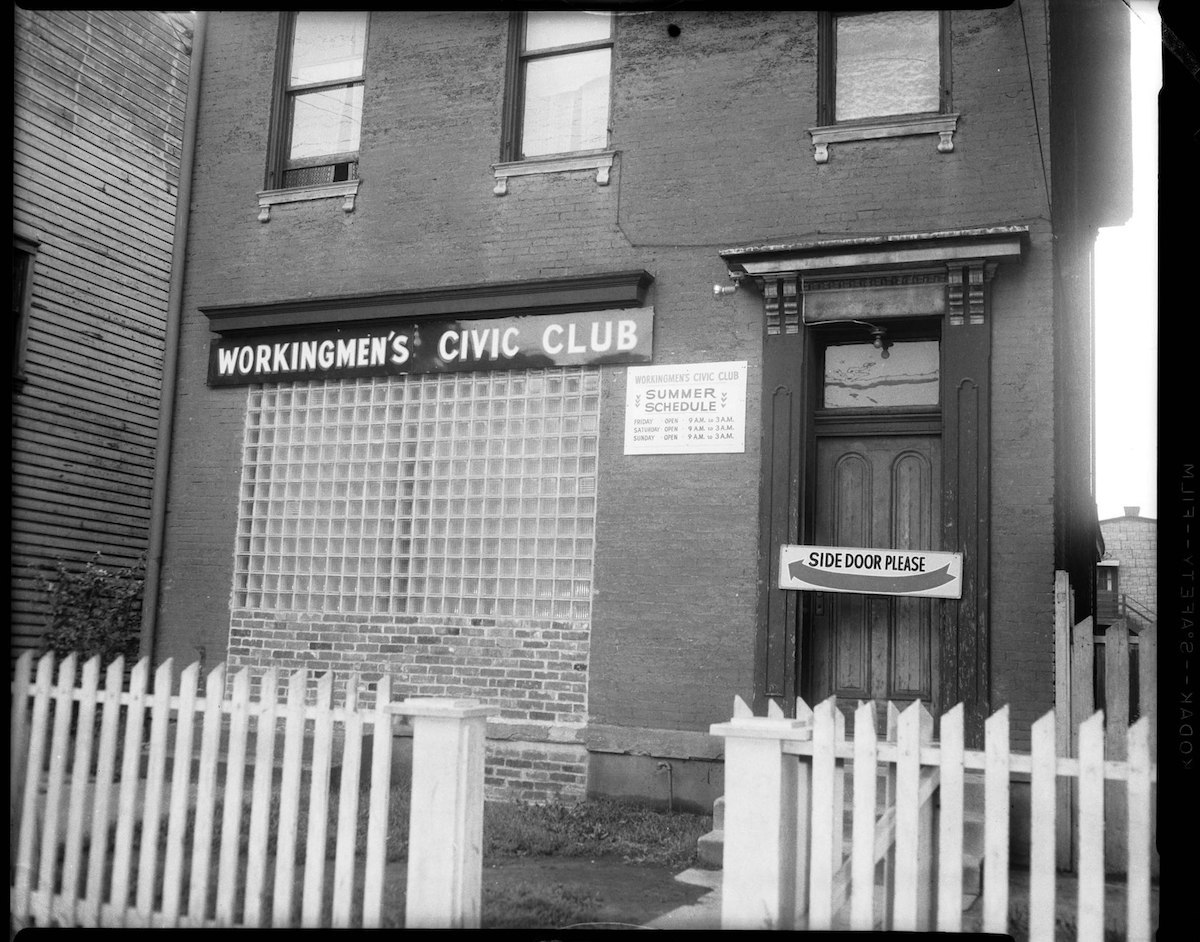
    <summary type="html"><![CDATA[<p><img src="https://hillhistory.org/files/fullsize/16d652dec11c1795e471468eec8609d2.jpg" alt="Workingmen&#039;s Civic Club exterior" /><br/><p><strong><em><p><em>"I went down the Workmen's Club. They had Kenny Fisher down there. You couldn't hardly get in. I ain't never seen so many people</em>."</p>
<p><em><strong>Philmore, "Jitney"</strong></em></p></em></strong></p><p>Now demolished, the Workingmen's Civic Club was a hotspot for music and entertainment. The club reached the height of its popularity in the 1960s, and inspired scenes in four of August Wilson's plays: <em>Joe Turner's Come and Gone, Seven Guitars, Two Trains Running,&nbsp;</em>and&nbsp;<em>Jitney</em>.</p></p><p><em><strong><a href="https://hillhistory.org/items/show/41">For more, view the original article</a>.</strong></em></p><p></p>]]></summary>
    <published>2023-10-02T23:52:35+00:00</published>
    <updated>2025-03-27T17:24:09+00:00</updated>
    <link rel="alternate" type="text/html" href="https://hillhistory.org/items/show/41"/>
    <id>https://hillhistory.org/items/show/41</id>
    <author>
      <name>The Hill District Digital History Team</name>
    </author>
  </entry>
</feed>
